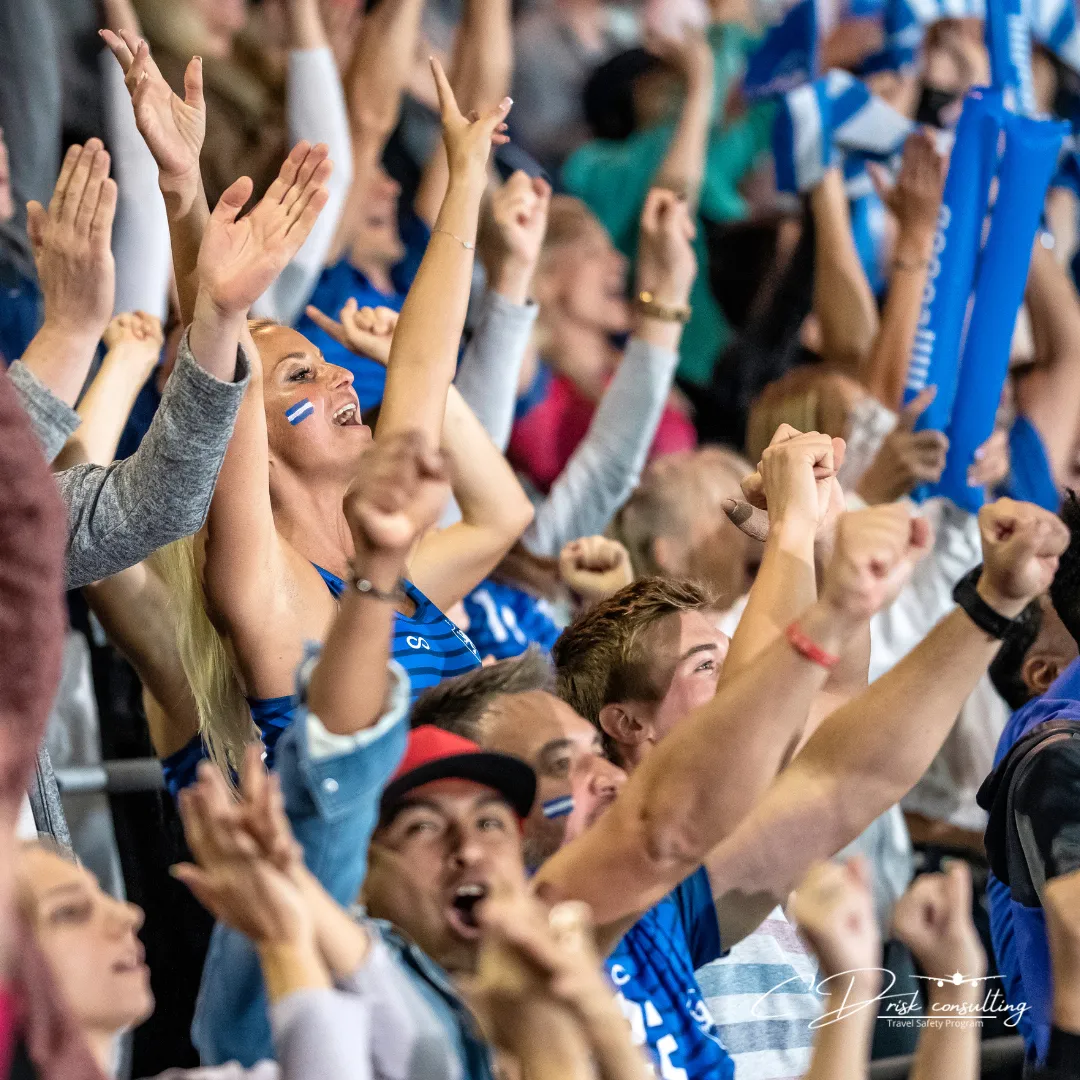
Major Event Travel Safety: What FIFA Fans Should Plan Before Game Day
The FIFA World Cup brings excitement, energy, national pride, and massive crowds.
For fans traveling to host cities, the experience can be unforgettable. The matches, fan zones, restaurants, hotels, transportation systems, and nightlife all become part of the event.
But major events also change how a city operates.
Traffic patterns shift. Public transportation gets crowded. Hotels fill up. Rideshare prices rise. Restaurants and bars become busier. Streets near stadiums may close. Crowds move quickly before and after matches.
That does not mean you should avoid the experience.
It means you should plan for it.
Whether you are attending a FIFA World Cup match, traveling for a major sporting event, going to a concert, visiting a festival, or joining a large public gathering, your safety plan should start before game day.
Preparation is not fear.
It is how you travel with confidence.
Major Events Create a Different Travel Environment
A city on a regular weekend can look very different when it is hosting a major international event.
The 2026 FIFA World Cup was a good example. Hosted across Canada, Mexico, and the United States, the tournament brought 48 teams to 16 host cities for 104 matches between June 11 and July 19, 2026.
Events of that size bring large numbers of fans, visitors, vendors, media teams, security personnel, and local residents into the same spaces.
That kind of movement affects almost everything around you.
The area near a stadium or venue may be crowded hours before an event begins. Transportation may take longer than expected. Streets may be closed. Security screening may slow entry. Cell service may be weaker in crowded areas. After the event, thousands of people may leave at the same time.
When you understand that environment before you arrive, you can make better decisions.
Research the Host City Before You Go
Before traveling to a major event, research more than the stadium.
Look at the full environment around the event.
Know:
Where your hotel is located
How far your hotel is from the stadium
How you will get to and from the match
What roads or transit stations may be affected
Where official fan zones or gathering areas are located
What areas may become crowded after the event
Where hospitals, urgent care centers, pharmacies, and police stations are located
What local laws, alcohol rules, bag policies, and stadium restrictions apply
Do not wait until the day of the event to figure this out.
Game day is not the time to discover your hotel is farther away than expected, your bag is not allowed inside, or your return transportation plan does not work.
For a deeper look at destination research, see Know Your Destination: Why Destination Awareness Is Part of Every Travel Safety Plan.
Build Your Transportation Plan Early
Transportation is one of the most important parts of major event safety.
Before the event, know exactly how you plan to get there and how you plan to get back.
Ask yourself:
Am I using public transportation, rideshare, taxi, hotel shuttle, or walking?
Where is the official drop-off or pickup area?
Will streets be closed near the stadium?
How long will it take to leave after the event?
What is my backup plan if rideshare is unavailable or too expensive?
Can I safely walk back to my hotel, or do I need transportation?
What happens if my phone dies?
The return plan matters just as much as the arrival plan.
Many travelers plan how to get to the event, but not how to leave safely when crowds are moving, emotions are high, and transportation demand spikes.
Do not make your transportation plan after the event.
Make it before you leave the hotel.
This is especially important when you're traveling alone. For more on building transportation and backup plans without losing the spontaneity of your trip, see Solo Travel Success: Build a Plan Without Losing the Adventure.
Stay Aware in Crowds
Crowds change quickly.
A crowd that feels fun and energetic one moment can become uncomfortable if people start pushing, arguing, drinking heavily, rushing an exit, or moving against the flow.
Stay aware without becoming paranoid.
Pay attention to:
Exit locations
Crowd movement
Bottlenecks
Aggressive behavior
Intoxicated groups
Arguments
Security presence
Lighting
Areas where people are packed tightly together
If an area feels too crowded or disorganized, leave before it becomes harder to move.
You do not need to wait for something serious to happen before adjusting your plan.
Your safety plan should always give you permission to leave.
Learn how to build that skill in Situational Awareness: How to Stay Present Without Traveling on Edge.
Protect Your Valuables
Major events create opportunities for theft and scams because people are distracted.
Fans are taking photos, checking tickets, buying food, celebrating, navigating crowds, and watching the event. That distraction can make it easier for phones, wallets, bags, and passports to go missing.
Before heading out, limit what you carry.
Bring only what you need.
Secure your phone, ID, payment card, room key, and cash. Use a crossbody bag, front pocket, money belt, or secure bag that stays close to your body.
Avoid carrying all your cards and cash in one place.
If you are traveling internationally, do not carry your passport unless you need it. Keep a secure copy available and know where the original is stored.
Also be careful with real-time posting. Sharing your exact location while you are still at the event can create unnecessary exposure.
Post after you leave.
Watch for Ticket, Rideshare, and Merchandise Scams
Major events attract legitimate fans.
They also attract scammers.
Be cautious with:
Last-minute ticket sellers
Unofficial ticket links
Fake QR codes
Counterfeit merchandise
Unofficial parking offers
Fake rideshare drivers
People offering shortcuts or “special access”
Requests for payment through unsecured methods
Use official ticketing platforms, verified transportation options, and trusted vendors whenever possible.
If something feels rushed, pressured, or too good to be true, slow down.
Scams often work because travelers are excited, distracted, or afraid of missing out.
Do not let urgency override your judgment.
Have a Communication Plan
Large events can make communication difficult.
Cell service may slow down. Phones may die. Groups may separate. Noise can make calls difficult. Messages may not go through right away.
Before the event, agree on a communication plan.
If you are traveling with others, choose a meeting point outside the stadium or event area in case you get separated. Do not choose a vague location like “near the entrance.” Choose a specific landmark.
Also decide:
When you will check in
What you will do if someone does not respond
Where you will meet if phones stop working
Who has the hotel address saved
Who has a backup charger
Who knows the transportation plan
If you are attending alone, share your general plan with someone you trust. Let them know where you are going, when the event starts, and when you expect to return.
A simple check-in can make a big difference.
Know the Bag Policy Before You Leave
Bag policies matter.
Many stadiums and event venues restrict bag size, type, and contents. If your bag does not meet the policy, you may be turned away, delayed, or forced to find storage.
That creates stress and can affect your safety plan.
Before leaving your hotel, check the official stadium or event policy.
Know what you can bring, what is prohibited, and whether a clear bag is required.
Pack light and pack intentionally. For more on choosing what earns a place in your luggage, see Packing With Purpose: How to Pack Smarter and Travel With Confidence.
The less you carry, the easier it is to move through crowds, security lines, transportation areas, and emergency situations.
Keep Your Essentials Ready
Before game day, organize your key items.
You should have:
Event ticket
ID
Payment card
Room key
Phone
Charger or power bank
Hotel address
Emergency contacts
Transportation plan
Basic medical needs
Weather-appropriate clothing
Any required medications
Keep your essentials in the same secure place so you are not searching through your bag in a crowd.
If your plans change, you want to respond quickly.
Be Careful With Alcohol and Celebration
Major sporting events often involve alcohol, celebration, and high emotions.
Enjoy yourself, but stay in control of your decisions.
If you choose to drink, pace yourself. Eat before or during the event. Stay hydrated. Watch your drink. Do not accept open drinks from people you do not know.
Alcohol can affect awareness, judgment, balance, and reaction time.
That matters in crowded places, unfamiliar cities, public transportation, rideshares, and nightlife areas.
Fun should not require giving up control of your safety.
Have a Backup Plan
Build those decisions into your overall Travel Safety Plan before you leave.
A strong safety plan includes a backup plan.
Before you go, ask yourself:
What will I do if my phone dies?
What will I do if I get separated from my group?
What will I do if rideshare is unavailable?
What will I do if public transportation is delayed?
What will I do if the area feels unsafe after the event?
What will I do if I lose my wallet, ticket, passport, or room key?
Where will I go if I need help?
These questions are not meant to scare you.
They are meant to prepare you.
In security planning, we do not only ask, “What is the plan?”
We ask, “What is the backup plan?”
Major Events Should Be Enjoyed With a Plan
Major sporting events, concerts, festivals, and public gatherings can create unforgettable travel experiences.
They bring people together through sport, entertainment, culture, travel, and shared excitement.
But major events also bring crowds, delays, distractions, scams, transportation challenges, and unfamiliar environments.
That is why planning matters.
Research the destination. Know your transportation options. Protect your valuables. Stay aware in crowds. Build a communication plan. Keep your essentials ready. Know how you would adjust if something changes.
Preparation does not take away from the experience.
It protects the experience.
Preparation is not fear.
It is how you travel with confidence.
Start With the Free Pre-Travel Checklist
Before attending a FIFA match, concert, festival, sporting event, or major public gathering, take time to build your safety plan.
Download the free Pre-Travel Checklist to help you organize your documents, research your destination, review emergency contacts, and prepare for the unexpected.
Travel should be exciting.
Preparation helps keep it that way.

