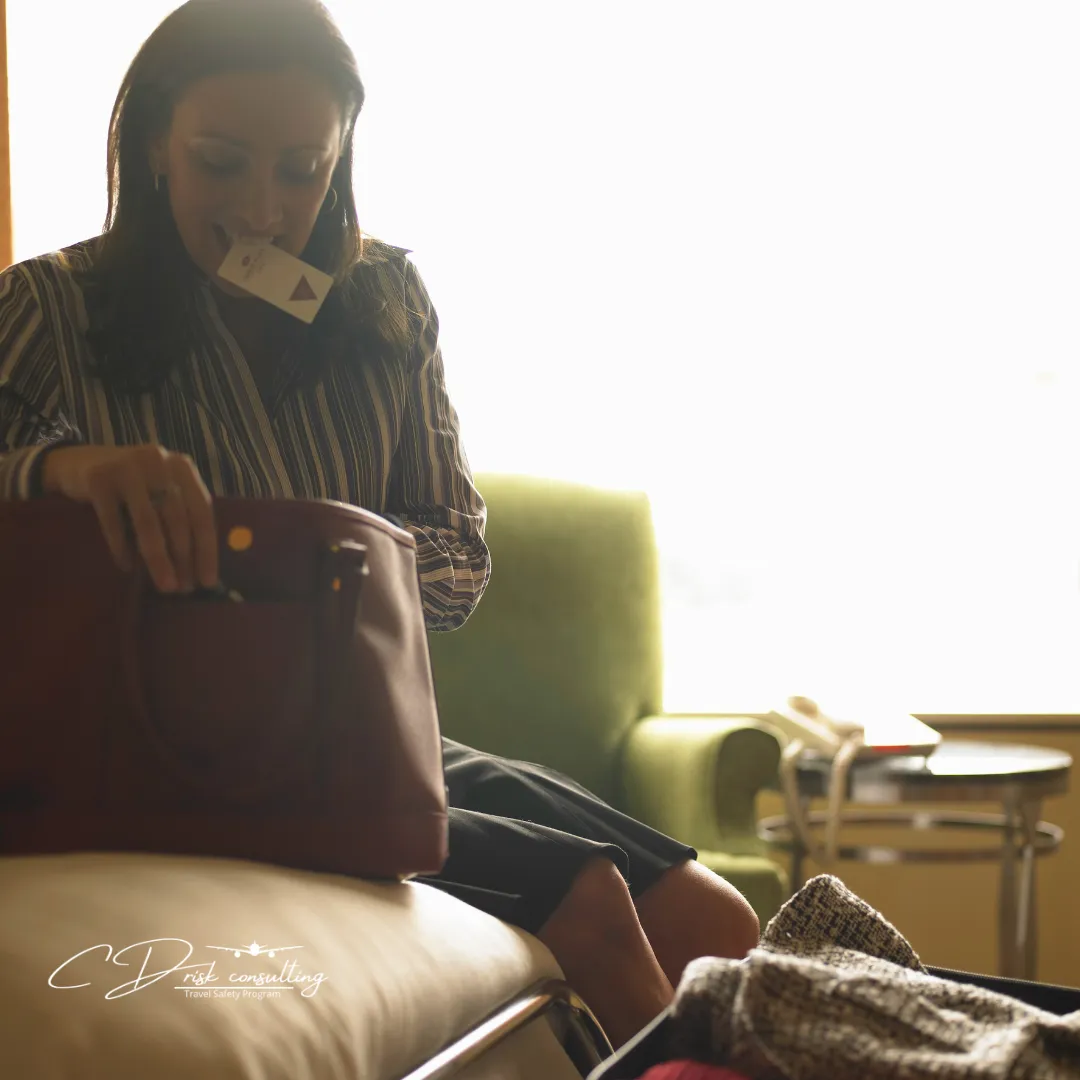
The First 10 Minutes in Your Hotel Room Matter
The fire at the Holiday Inn in Somerville on February 6, 2025, was a reminder that hotel emergencies can happen quickly and without warning.
According to WCVB Channel 5 Boston, two people were hospitalized for smoke inhalation after a fire broke out at the hotel. The Boston Globe also reported that the fire involved heavy black smoke on the ninth floor, several people were rescued, and multiple people were evaluated at the scene.
This incident is not a reason to travel in fear.
It is a reminder that every traveler, especially those traveling alone, should have a simple hotel safety routine before settling into a room.
When we book a hotel, we usually think about location, price, comfort, reviews, and convenience. Those things matter. But safety should also be part of the decision.
A hotel room may feel secure once the door closes, but emergencies can still happen. Fire alarms, smoke, medical issues, suspicious activity, power outages, or security concerns can all require you to act quickly.
Preparation gives you options.
Hotel Safety Starts Before You Unpack
The first few minutes in your hotel room matter.
Before you unpack, shower, relax, or go to sleep, take a few minutes to complete a hotel safety check. This is not about expecting something bad to happen. It is about knowing what you would do if something changes quickly.
In security planning, we do not only ask, “Where am I staying?”
We also ask, “What would I do if I had to leave this room fast?”
That question matters.
Locate the Two Closest Exits
Once you arrive on your floor, identify the two closest exits.
Do not assume the exit closest to your room will be usable during an emergency. Smoke, fire, blocked hallways, or crowd movement may force you to use another route.
Walk the hallway if you can. Find the exit stairs. Pay attention to whether the doors are marked and accessible.
Then count the number of doors between your room and each exit. If smoke limits visibility, counting doors can help you move in the right direction when you cannot clearly see the hallway.
This step takes less than two minutes, but it can make a major difference.
Check Your Room Location
Whenever possible, think about room location before and during check-in.
Many travelers prefer not to stay on the ground floor because of security concerns. At the same time, extremely high floors may create additional challenges during a fire or evacuation.
A good practice is to request a room above ground level but not so high that evacuation becomes more difficult. You can also ask for a room closer to an elevator or stairwell, while still considering noise and privacy.
The goal is not to demand a perfect room.
The goal is to make a safer choice when you have the option.
Check the Door, Locks, and Peephole
Once inside the room, check the door.
Make sure it closes fully and locks properly. Test the deadbolt, latch, and any secondary lock. Look through the peephole to confirm you have a clear view of the hallway.
If the door does not close correctly, the lock does not work, or something feels off, contact the front desk and request another room.
Do not talk yourself out of speaking up.
Your room should feel secure.
Keep Your Essentials Ready
Before going to sleep, keep your key items in one place.
Your phone, room key, wallet, ID, passport, glasses or contacts, medication, and shoes should be close enough to grab quickly. If an alarm sounds or you need to leave the room fast, you do not want to search through your luggage in the dark or under stress.
This does not mean you sleep in fear.
It means you are prepared to move if needed.
A simple “grab and go” setup can help you respond faster.
Save Important Numbers
Do not wait until there is a problem to look for help.
Save the hotel front desk number in your phone. Know how to reach local emergency services. If you are traveling internationally, know the local emergency number before you arrive.
You should also share your hotel name, address, and room number with a trusted contact when appropriate.
If something happens, clear information saves time.
Pay Attention to Fire Safety
When you enter the room, look for basic fire safety information.
Review the evacuation map posted on or near the room door. Know where the stairs are. Check whether the smoke detector is present. Notice where fire alarms or pull stations are located in the hallway.
Knowing where the exits are is only part of the plan. Travelers should also think through what they would do if an alarm sounded or their normal exit route wasn't available. For a deeper look at evacuation planning, see Resort Fire Safety: What Travelers Should Know Before an Emergency.
If you see obvious safety concerns, report them.
But not every hotel hazard is easy to recognize. Carbon monoxide is colorless and odorless, which makes awareness especially important when traveling. Learn what to look for and how to prepare in Carbon Monoxide Safety: What Every Traveler Should Know.
You do not need to inspect the hotel like a firefighter. But you should know how to get out and where to go if an alarm sounds.
Trust Your Instincts
If something feels wrong, pay attention.
Maybe the door does not lock properly. Maybe someone is lingering near your room. Maybe the hallway feels unsafe. Maybe the hotel does not match what you expected from the listing or reviews.
You do not need to justify your instincts to everyone.
If something feels off, speak with the front desk, request a room change, contact someone you trust, or consider changing hotels if necessary.
Your safety plan should always give you permission to adjust.
Preparation Is Not Fear
The Somerville hotel fire is a reminder that we cannot take safety for granted when we travel.
Most trips will not involve a serious emergency. But taking a few minutes to prepare can help you respond more clearly if something does happen.
Hotel safety does not have to be complicated.
Locate your exits. Check your room. Keep your essentials ready. Know who to call. Trust your instincts.
These steps are simple, but they matter.
Preparation is not fear.
It is how you travel with confidence.
Want More Travel Safety Guidance?
If you want help preparing for your next trip, start with the free Pre-Travel Checklist or explore the Travel with Confidence Community for additional safety resources, checklists, and practical guidance.
The goal is not to stop traveling.
The goal is to travel prepared, aware, and confident.

